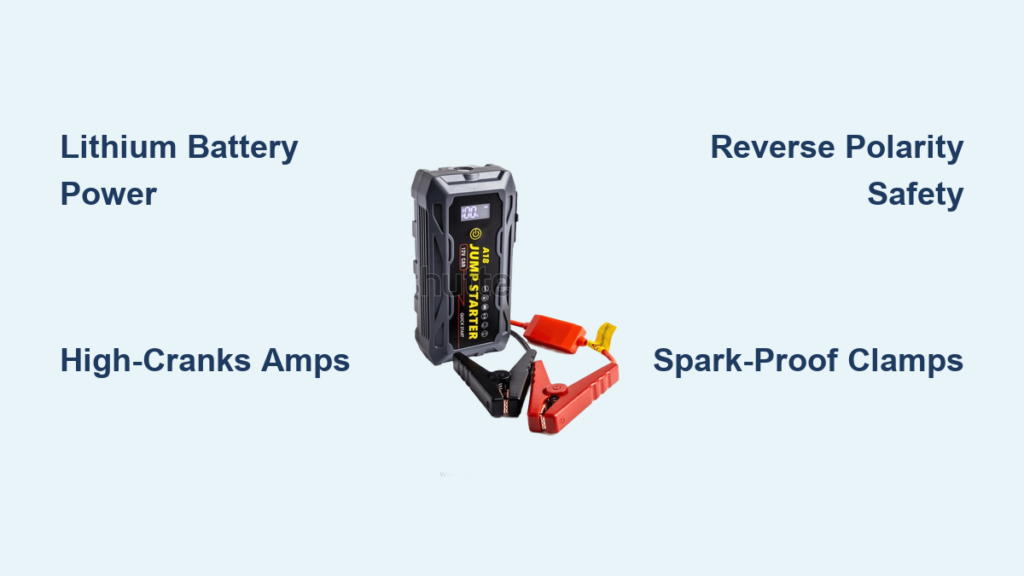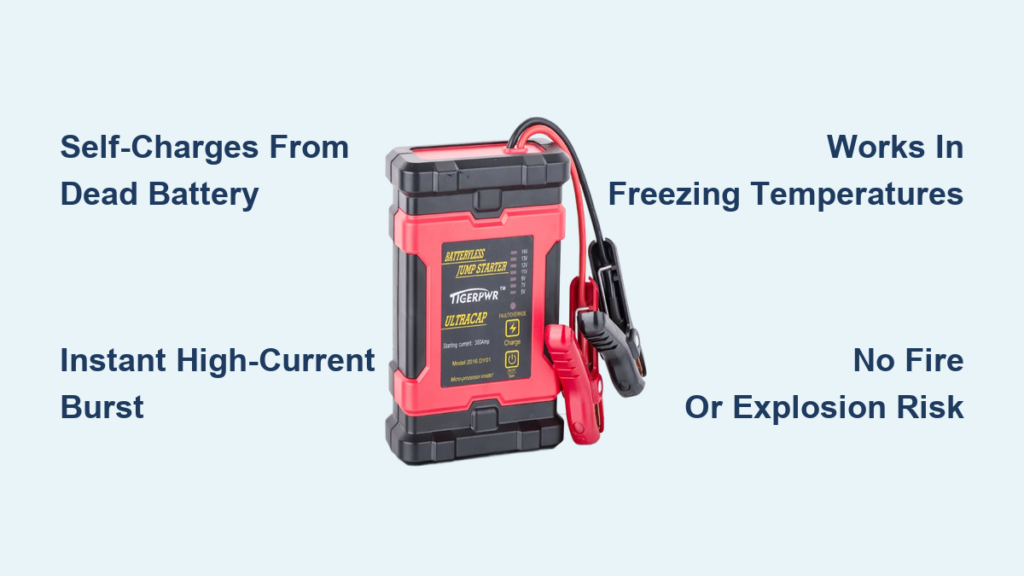
Your car clicks when you turn the key, and nobody nearby has jumper cables. An instant power jump starter can get you moving in that exact moment. This compact, portable device revives a dead battery without needing a second vehicle.
In this guide, you will learn how to use an instant power jump starter step by step. We cover preparation, clamp placement, starting the engine, and disconnecting safely. You will also find common mistakes to avoid.
How to Prepare Your Car for an Instant Power Jump Starter

Good preparation keeps you safe and helps the device work as intended. Take a minute to check both the device and your vehicle before you connect anything.
Check the Charge Level on Your Device
Make sure your jump starter is fully charged before you need it. Most models have an LED indicator that shows the battery level. Check this light first.
Expert Note: Button layouts and indicator designs vary by model. Review the labels on your device before your first use.
Turn Off the Engine and Electrical Systems
Complete these steps before touching any cables:
- Turn off the car engine.
- Switch off all electrical systems, including lights, the radio, and the AC.
- Open the hood and locate the battery.
Look for the two battery terminals. One is marked positive (+) and the other negative (-).
Connect the Red and Black Clamps in the Correct Order
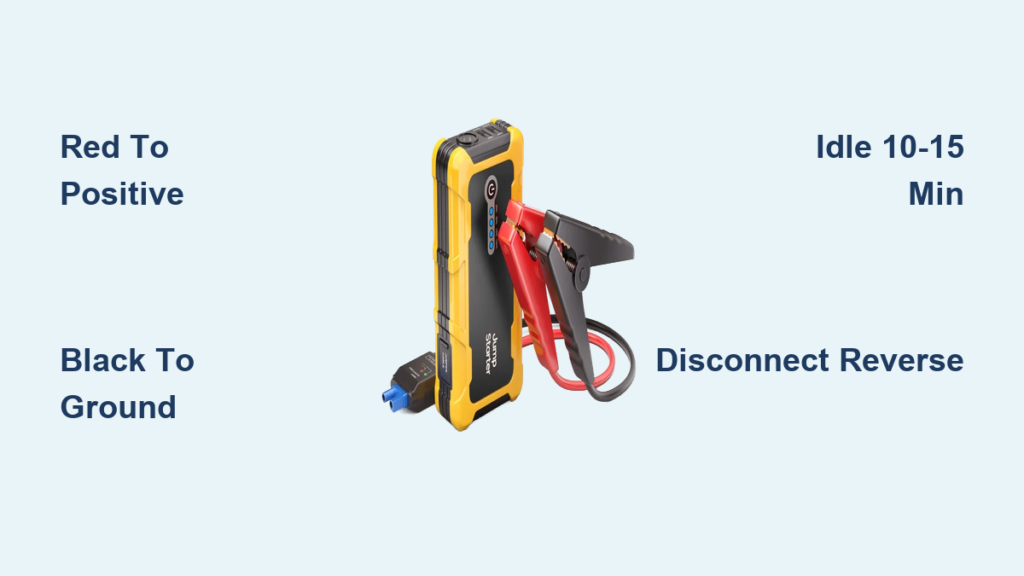
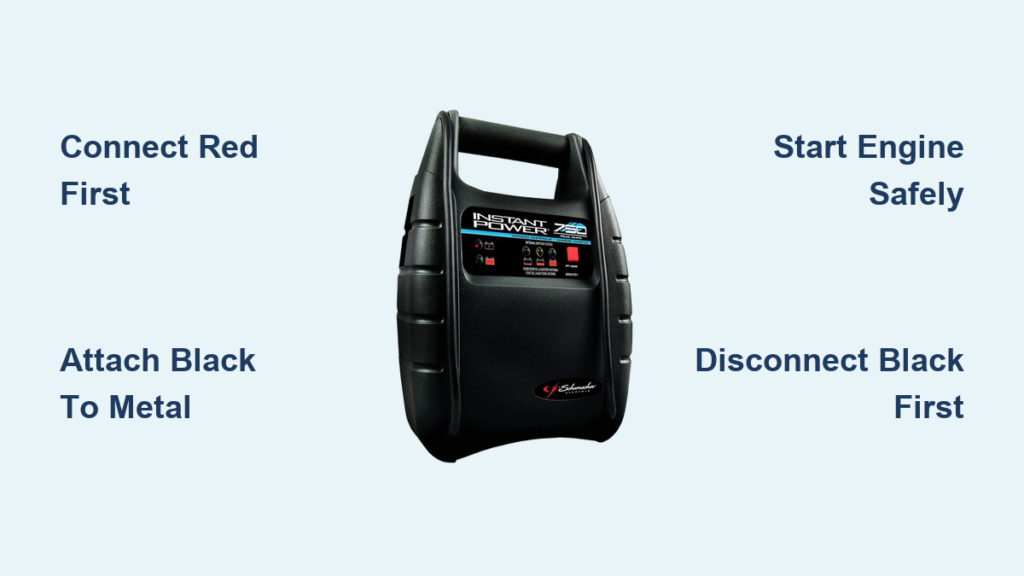
Clamp placement matters because it reduces the risk of sparks near the battery. Always connect the red clamp first, then the black clamp.
Attach the Red Clamp to the Positive Terminal
Clamp the red cable to the positive (+) terminal of the car battery. Press the clamp on firmly so it grips the metal.
Attach the Black Clamp to Bare Metal, Not the Negative Terminal
Clamp the black cable to a clean, bare metal part of the engine or chassis. Do not attach it to the negative terminal. Keeping this connection away from the battery helps prevent sparks.
Look for these grounding spots:
• A clean metal part of the engine block
• A clean metal part of the car chassis
• A solid metal bracket that is free of grime
Expert Note: Connect red first, then black. You will reverse this order when you disconnect.
How to Start a Dead Car With an Instant Power Jump Starter
Once both clamps are in place, you can power the device and try to start the engine.
Power On the Device and Give It a Moment
Press the power button on your jump starter. Wait a few seconds for the device to stabilize before you attempt to start the car.
Try Starting the Car and Retry if Needed
Turn the key or press the start button. If the engine does not start right away, wait 10 to 15 seconds. Then try again.
Once the engine runs, move on to disconnecting the clamps.
Disconnect the Clamps Safely After the Engine Starts
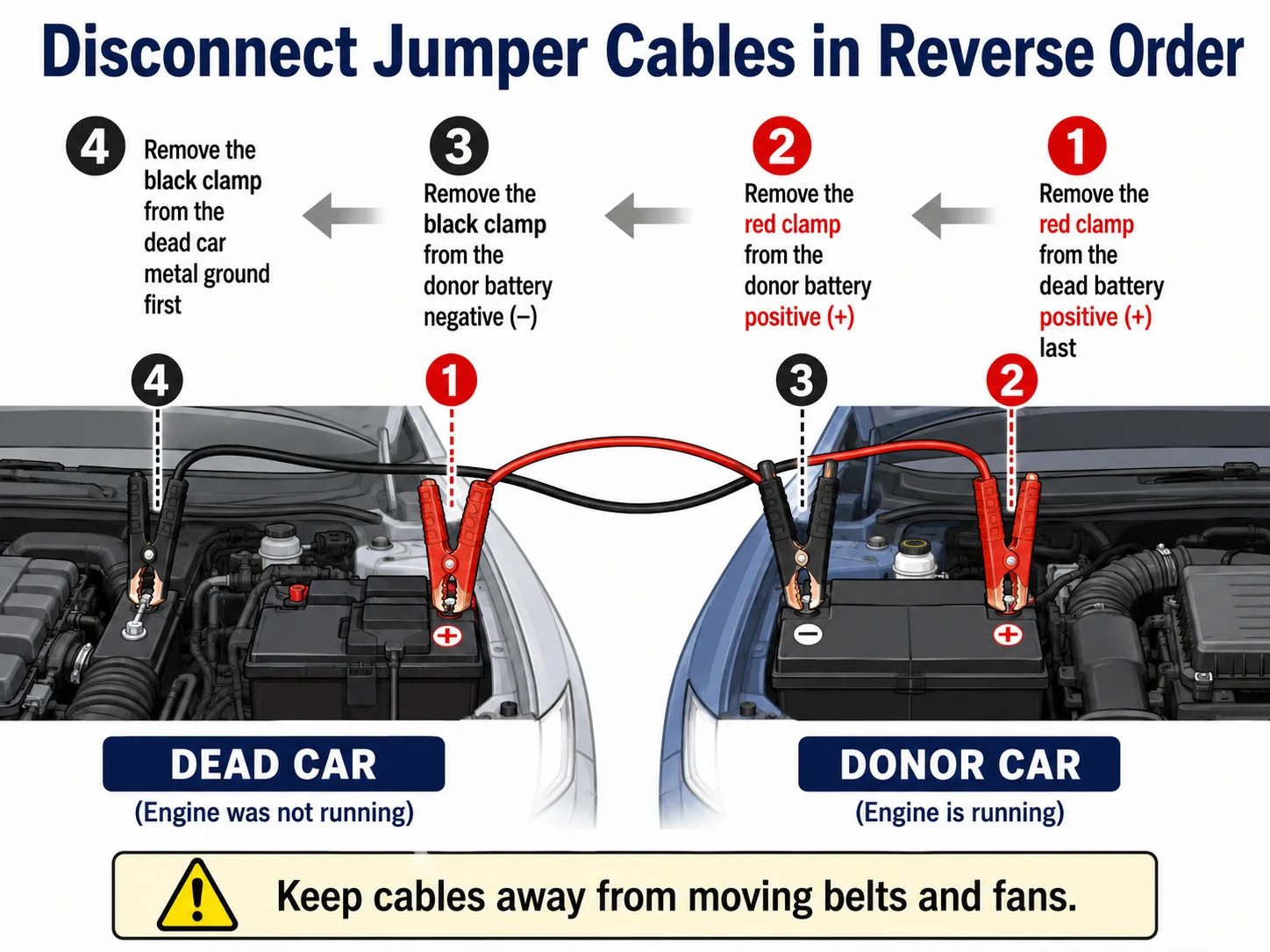
Removing the clamps in the wrong order can cause sparks. Follow these steps carefully.
Let the Engine Run for 10 to 15 Minutes
Let the car run for at least 10 to 15 minutes after it starts. This gives the battery time to recharge. Then turn off the engine before you remove any clamps.
Remove the Black Clamp Before the Red Clamp
Reverse the connection order. Remove the black clamp first, then the red clamp. Keep the clamps from touching each other or any metal surface while they are still attached.
Put the Device Away After Each Use
Return the jump starter to a safe spot once you finish. Keep it away from heat sources and direct sunlight.
Safety Rules for Using an Instant Power Jump Starter
Follow these rules every time you use the device. They protect you, your car, and the jump starter.
Never Let the Clamps Touch Each Other
Keep the red and black clamps separated while they are connected to the battery. Touching them together can cause a dangerous short circuit.
Keep the Device Dry
Do not use the jump starter in rain, snow, or high humidity. Try to set up in a dry spot whenever possible.
Protect the Device From Heat and Sunlight
Store and use the device away from heat sources and direct sunlight. Heat exposure can affect how the device performs over time.
Common Mistakes to Avoid During Jump Starting
Small errors can turn a simple jump into a risky situation. Watch out for these frequent mistakes.
Connecting or Removing Clamps in the Wrong Order
Connecting black before red, or removing red before black, increases the risk of sparks. Stick to this sequence: connect red first, then black. Disconnect black first, then red.
Attaching the Black Clamp to the Negative Terminal
Clamping the black cable to the negative terminal puts the connection close to the battery. Choose clean, bare metal on the engine or chassis instead.
Letting Clamps Touch Metal Surfaces
Clamps that touch each other or any metal surface while connected can cause a short. Keep both clamps isolated until you finish.
Keep Your Instant Power Jump Starter Ready for Emergencies
A jump starter only helps when it has power. Regular checks keep it ready.
Keep the Device Fully Charged
Check the LED indicator often. Recharge the device whenever it is not fully charged. This ensures it is ready when your car needs it.
Check the Device Periodically
Look over the device every so often. Confirm that the indicator works and the cables are in good shape. Quick checks help you avoid surprises during an emergency.
When a Battery Is Too Damaged to Jump Start
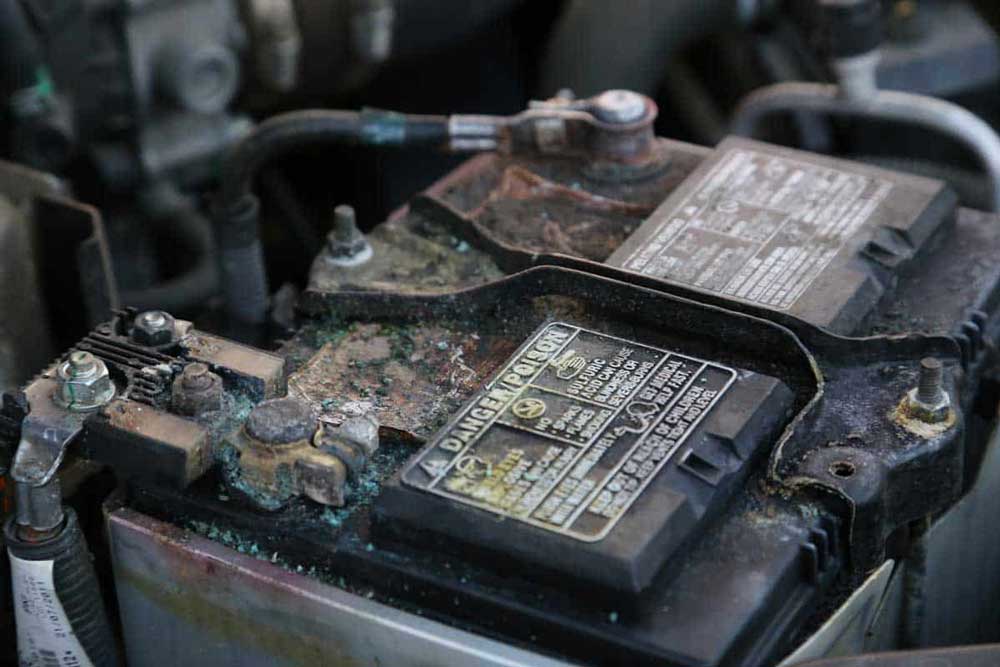
Some batteries cannot be jump started safely. Recognize these warning signs.
Do Not Use the Device on a Cracked or Leaking Battery
If the battery is cracked or leaking, do not attempt to use the jump starter. Stop and get the battery inspected.
Avoid Jump Starting a Frozen or Severely Damaged Battery
Trying to jump start a frozen or severely damaged battery is a common mistake. Choose a different solution for these batteries.
Frequently Asked Questions About How to Use an Instant Power Jump Starter
Can I use an instant power jump starter without another car?
Yes. An instant power jump starter is a portable device designed to jump-start a car with a dead battery without needing another vehicle.
Which clamp should I connect first?
Connect the red clamp to the positive (+) terminal first. Then attach the black clamp to clean, bare metal on the engine or chassis.
Why shouldn’t the black clamp go on the negative terminal?
Connecting the black clamp away from the battery helps prevent sparks near the battery. Use a clean metal spot on the engine block or chassis instead.
What should I do if the car does not start right away?
Wait 10 to 15 seconds, then try starting the car again. Make sure the device is powered on and the clamps are secure.
How long should I run the engine after a jump start?
Let the engine run for at least 10 to 15 minutes. This gives the battery time to recharge before you turn off the car and remove the clamps.
Can I jump start a frozen or cracked battery?
No. Do not use the jump starter on a cracked or leaking battery. Avoid jump starting a frozen or severely damaged battery.
Key Takeaways for Using an Instant Power Jump Starter Safely
Using an instant power jump starter is simple when you follow the right order. Connect red to positive first, then black to clean metal away from the battery. Once the engine starts, let it run for 10 to 15 minutes before you disconnect in reverse order.
Keep these points in mind:
• Connect red first, then black, and disconnect black first, then red.
• Never let the clamps touch each other or metal surfaces while connected.
• Keep the device fully charged and check it periodically.
Your next step is simple. Check your jump starter’s charge indicator today, and find a clean metal grounding spot in your engine bay. Knowing these details now can save you stress on the day your car will not start.
Note: Specific details from the outline, such as crank time limits, number of retry attempts, recharge intervals, battery age, and clamp distances, were removed because they were not in the knowledge base.