A dead battery never picks a convenient time. You might be alone in a remote parking lot at night or miles from the nearest town with no other vehicle in sight. The good news is that you can get back on the road in minutes without asking anyone for help. Learning how to jumpstart a car using a jump starter takes less effort than you might expect.
This guide walks you through the full process step by step. You will learn how to prepare your vehicle, connect the clamps safely, restart the engine, and troubleshoot when the car refuses to start. You will also see why a portable jump starter beats traditional jumper cables for solo drivers.
Why a Portable Jump Starter Belongs in Every Car
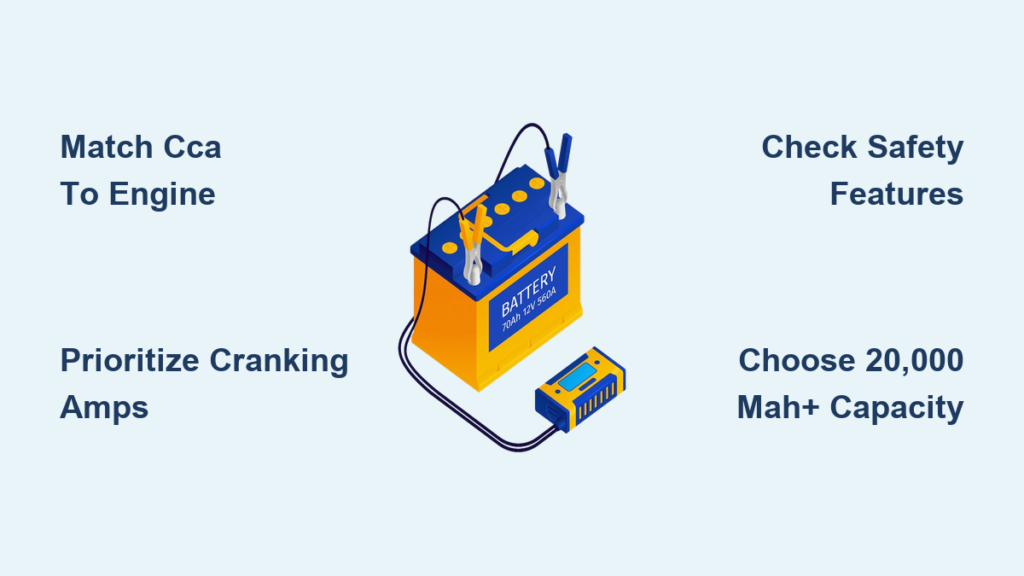
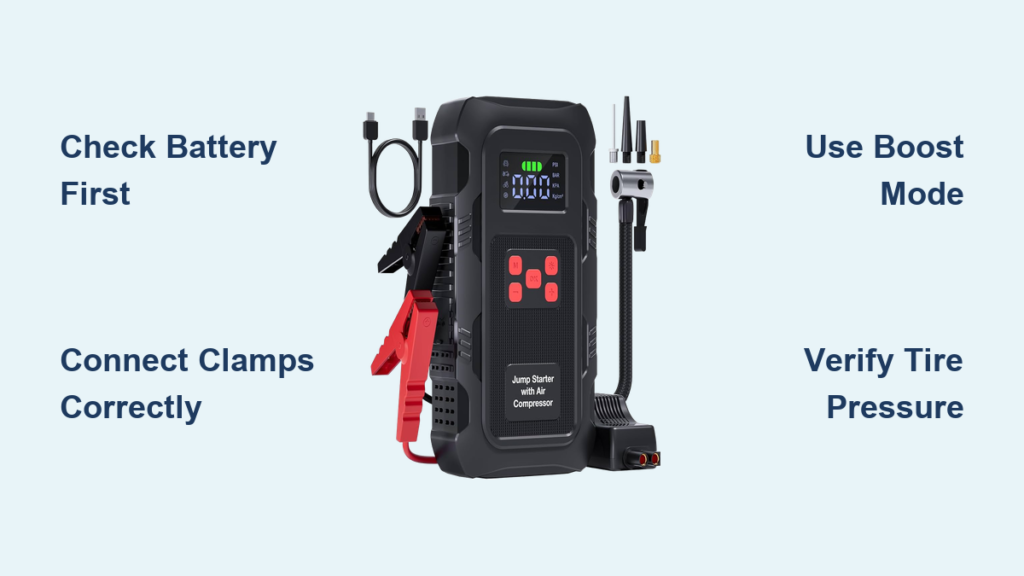
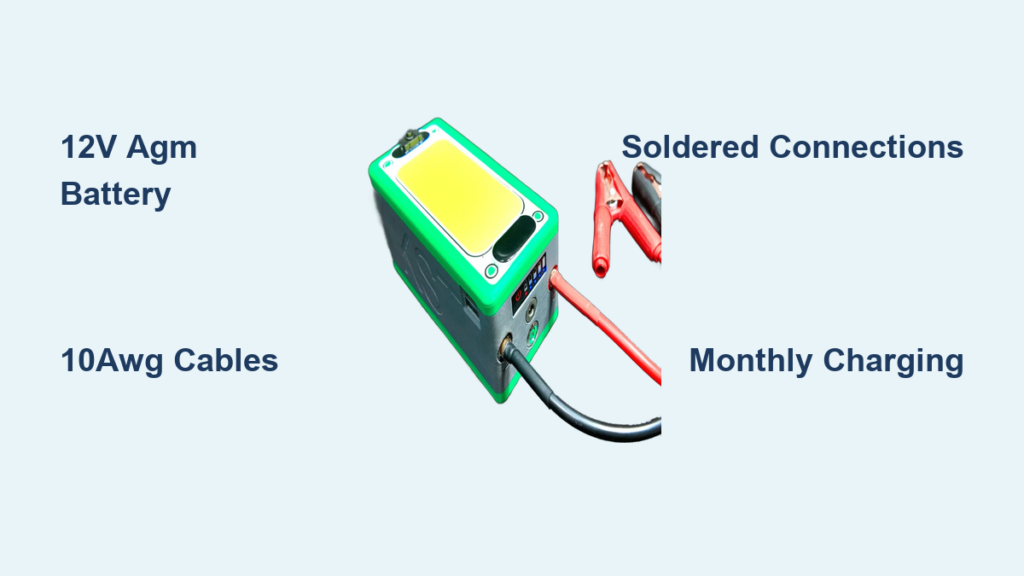
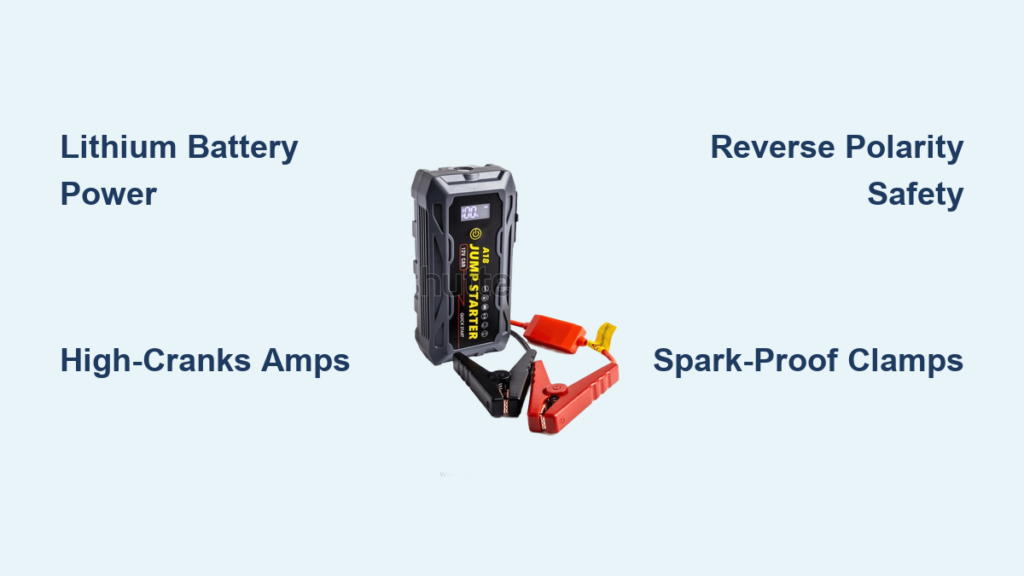
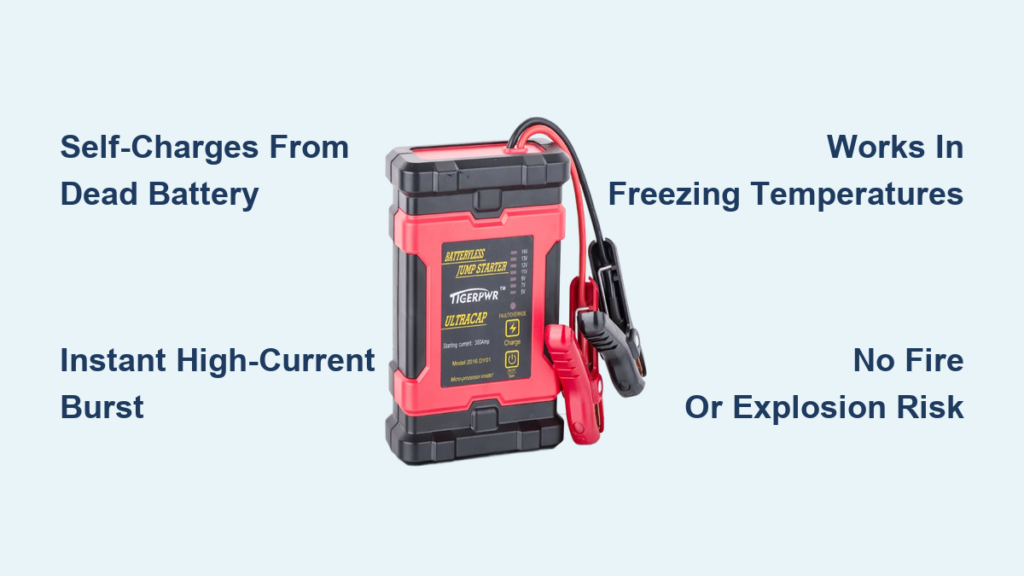
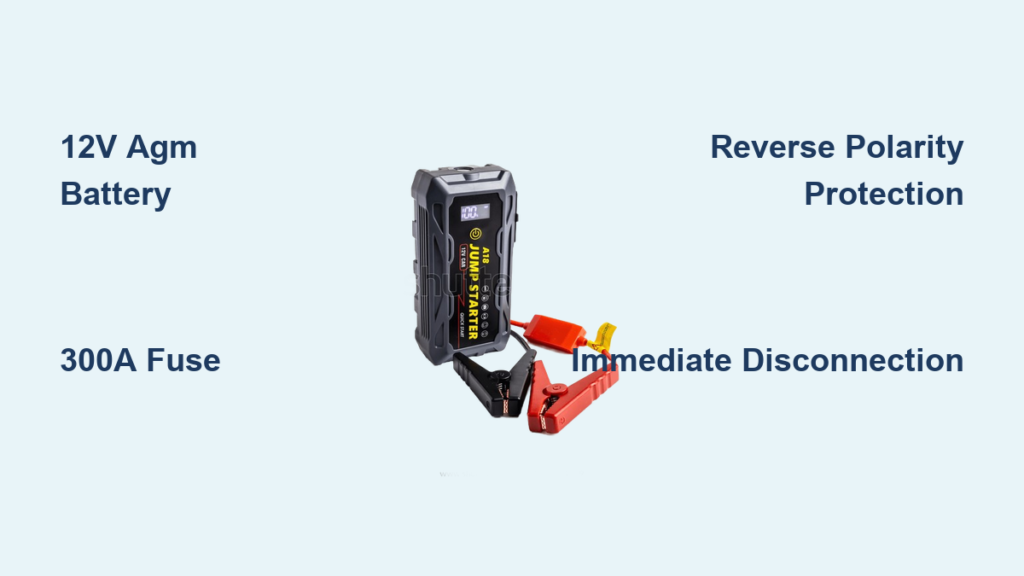
A portable jump starter is a compact, rechargeable power pack with a built-in 12V battery. It can start most gasoline engines, including those up to 6+ liters, without a second vehicle. Most models cost around $60 and last 3 to 5 years with proper care.
Beyond jump-starting, these devices pull double duty:
• USB ports charge phones, tablets, and GPS units
• A built-in LED light helps during nighttime emergencies
• Safety features include overcharge, overcurrent, and reverse polarity protection
For solo travelers, commuters, and outdoor enthusiasts, this small device is one of the most cost-effective safety investments you can make.
Prepare Your Car and Jump Starter Before Connecting

Preparation prevents sparks, electrical damage, and battery hazards. Take two minutes to set up correctly.
Shut Down All Electrical Systems
Turn the car off completely and confirm these are switched off:
• Headlights and interior lights
• Radio and infotainment system
• Climate control and fans
• Phone chargers or USB accessories
Active electronics drain power and interfere with the jump-start process.
Inspect the Battery for Damage
Open the hood and look closely at the battery:
• White or green crust on the terminals signals corrosion
• Cracks, leaks, or swelling mean the battery is unsafe to jump
• Loose terminals reduce power transfer
Clean light corrosion with a wire brush or baking soda solution. Never jump-start a damaged or leaking battery. Replace it instead.
Confirm the Jump Starter Is Charged
Check the LED indicators on your device. A weak internal battery may not deliver enough power. Recharge the unit fully before attempting the jump.
Connect the Jump Starter Clamps in the Right Order
Connection order matters. Wrong terminals or bad grounding can fry your car’s electronics or create sparks near flammable gases.
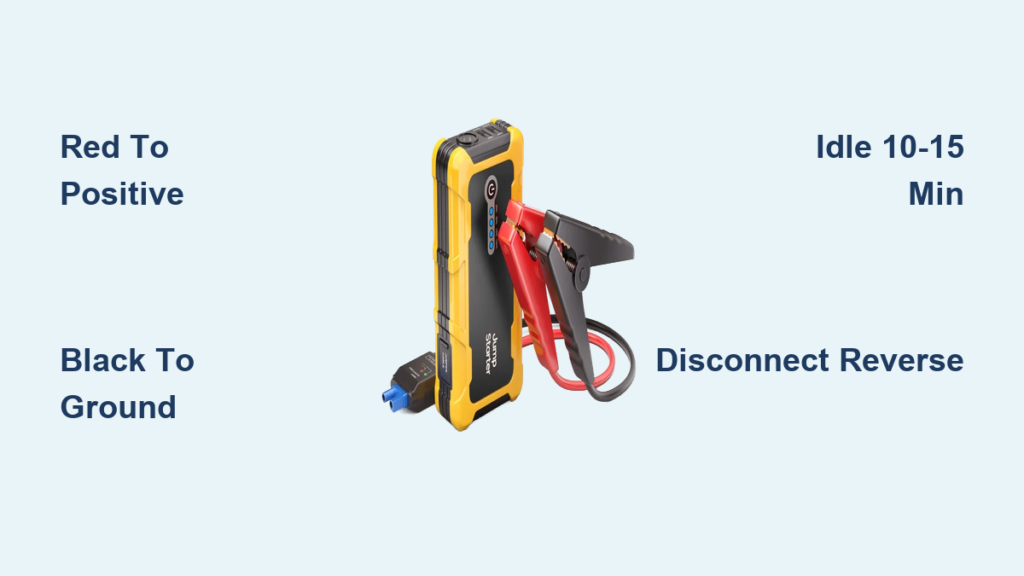
Attach the Red Clamp to the Positive Terminal
Secure the red clamp to the positive (+) terminal on your battery. It is usually marked with a plus sign and may have a red cover. The clamp should grip firmly with full metal-to-metal contact.
Ground the Black Clamp Away From the Battery
Attach the black clamp to a clean, unpainted metal surface far from the battery. Good options include:
• A bolt on the engine block
• A bracket on the frame
• A fender support strut
Warning: Never attach the black clamp to the dead battery’s negative terminal. Batteries release flammable hydrogen gas, and a spark at the terminal can cause an explosion. If your grounding point is rusty or painted, scrape it lightly to expose bare metal.
Power On the Device
Switch on the jump starter. Most models beep or light up to confirm they are ready. Wait a few seconds for the unit to stabilize before starting the engine.
Start the Engine and Let It Recharge
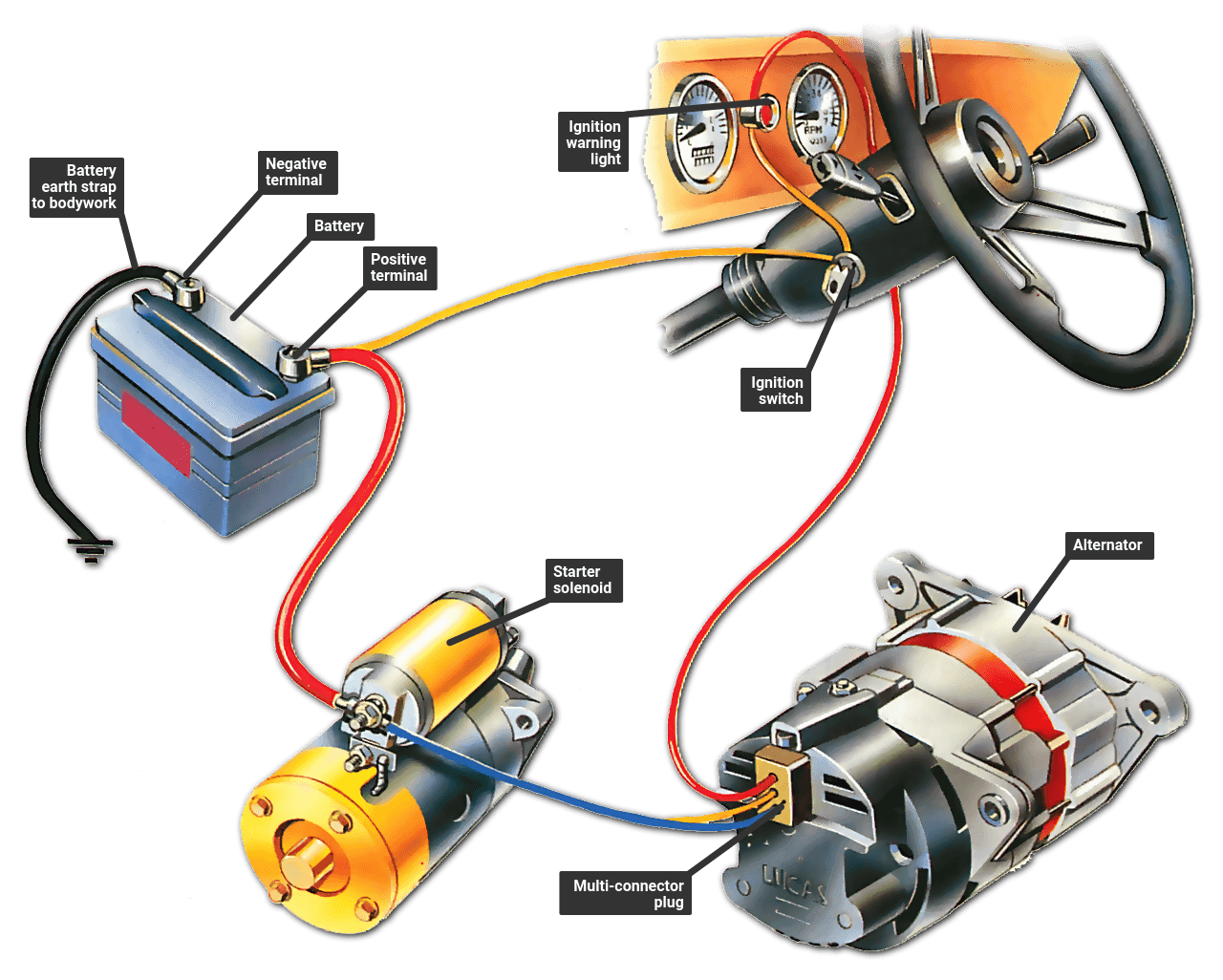
With the clamps secure and the device powered, you are ready to restart your car.
Crank the Engine Correctly
Turn the key or press the start button for no more than 3 to 5 seconds. Most vehicles start within seconds of connection. If the engine cranks slowly, wait 10 to 15 seconds before trying again.
A rapid clicking sound usually means the battery still lacks charge. Recheck both clamps and confirm the jump starter is fully charged.
Idle the Engine After a Successful Start
Once running, keep the engine idling for 10 to 15 minutes. The alternator needs this time to restore charge to the battery. If possible, drive at highway speeds for 20 minutes or more afterward.
Disconnect the Jump Starter Safely
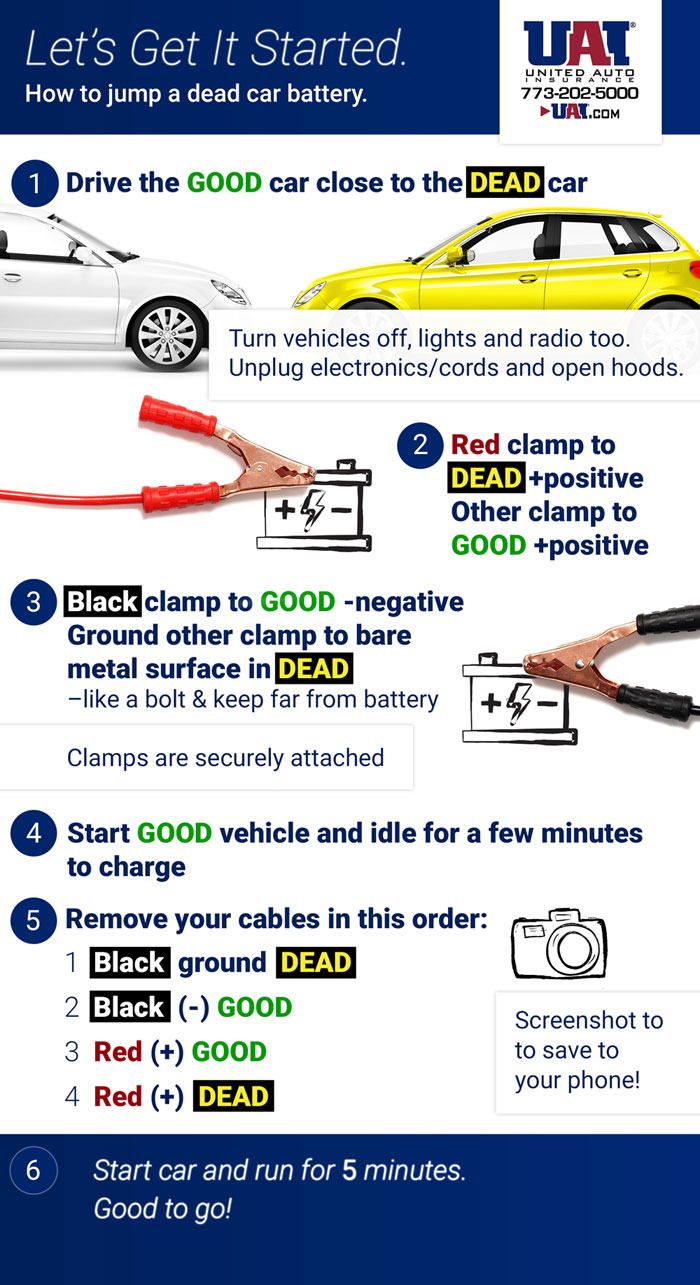
Always remove the clamps in reverse order of connection. This prevents sparks and short circuits.
- Remove the black clamp from the grounding point
- Keep it away from any metal surfaces
- Remove the red clamp from the positive terminal
Never let the red and black clamps touch each other, especially near the battery. Turn off the device and recharge it as soon as possible so it is ready next time.
Troubleshooting When the Car Still Won’t Start
If the engine refuses to turn over, work through these checks in order.
Recheck Every Connection
Confirm both clamps are tight, the red clamp sits on the positive terminal only, and the black clamp contacts bare metal. Loose or corroded connections block power transfer.
Verify the Jump Starter Charge
Check the LED indicators. If the charge is below 50 percent, recharge fully before retrying. Some units refuse to deliver power when their internal battery runs low.
Evaluate Battery Age and Condition
Car batteries typically last 3 to 5 years. Slow cranking, dim lights, and frequent jump-starts all point to a failing battery. Have it tested at an auto shop within 48 hours.
Suspect the Alternator
If the car starts but dies shortly after, the alternator may not be charging the battery. Watch for a battery warning light on the dashboard or electrical systems failing while driving. A professional should inspect the charging system.
Follow These Safety Rules Every Time
Jump-starting involves high current and flammable gas. Respect these rules to avoid injury or damage.
• Never reverse the clamps. Connecting red to negative or black to positive causes reverse polarity, which can fry your car’s computer systems and damage the device. Modern units have protection, but always double-check.
• Keep sparks away from the battery. Hydrogen gas is highly flammable. Ground the negative clamp away from the battery and keep your face clear during startup.
• Wear insulated gloves and safety goggles. Sparks and battery acid are real hazards.
Key Takeaways for Jumpstarting Your Car With a Jump Starter
Learning how to jumpstart a car using a jump starter gives you true independence on the road. Unlike jumper cables, a jump starter needs no second vehicle, works in under two minutes, and doubles as a power bank and emergency light.
Remember the essentials: connect red to positive first, ground black on bare metal away from the battery, idle the engine for 10 to 15 minutes after starting, and disconnect in reverse order. Jump-starting is only a temporary fix, so have your battery and charging system tested soon after.
Next step: Buy a quality jump starter with 12V output, reverse polarity protection, and an LED light. Store it in your glovebox, recharge it every 3 to 4 weeks, and keep jumper cables as a backup. A $60 device beats a $150 tow truck call every time.
Frequently Asked Questions About Jumpstarting a Car With a Jump Starter
Can you jumpstart a car by yourself with a jump starter?
Yes. A portable jump starter is fully self-contained, so no second vehicle or helper is needed. This makes it ideal for solo drivers and remote locations.
How long should I let the car run after a jump-start?
Let the engine idle for 10 to 15 minutes so the alternator can recharge the battery. Driving at highway speeds for 20 minutes or more restores the charge even faster.
Where do I attach the black clamp?
Attach it to a clean, unpainted metal surface away from the battery, such as a bolt on the engine block or a frame bracket. Never place it on the dead battery’s negative terminal.
Why won’t my car start even with a jump starter?
Check for loose clamps, a low jump starter charge, or a corroded ground point. If connections are solid and the battery is over 3 to 5 years old, the battery itself may be too degraded to hold a charge.
How long does a jump starter last?
With proper maintenance, most models last 3 to 5 years. Recharge the internal battery every 3 to 4 weeks and store it in a cool, dry place.
Is a jump starter better than jumper cables?
For most drivers, yes. It requires no second car, works faster, and includes USB ports and an LED light. Keep jumper cables in your trunk as a backup if the jump starter fails or loses charge.