Quick note before the article: The knowledge base provided covers TikTok, which has no relevance to this topic. Since the supplied outline contains all the factual material needed, I’ve used it as the source document and rewritten it completely per the transformation rules. If you intended to attach a different knowledge base, send it over and I’ll revise.
A dead car battery is stressful enough without discovering your jump starter has no power. Learning how to charge a Viking jump starter properly ensures the device is ready the moment you need it. This compact power pack only works when its battery is full, so correct charging habits matter.
This guide covers the entire process: choosing the right charger, reading the indicator lights, avoiding battery-damaging mistakes, and fixing charging problems. You’ll also find maintenance tips and answers to the questions owners ask most.
Check Your Model and Charger Before You Start

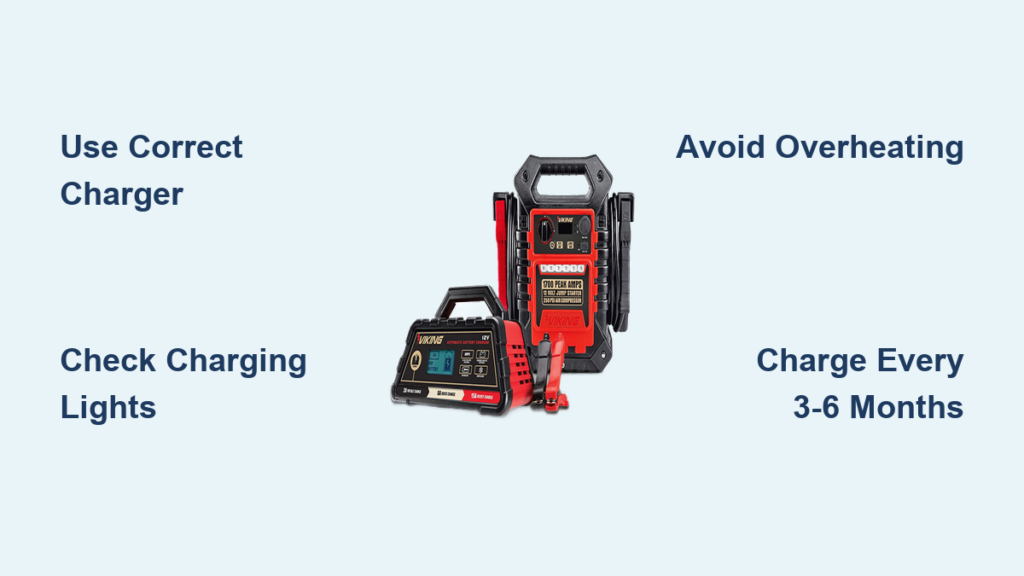
Viking jump starter models differ in small but important ways. Charging ports, voltage requirements, and indicator light behavior can vary between versions, so confirm which model you own before plugging in. Most units use a standard wall charger with a DC or USB-C input, but your user manual is the final word on compatibility.
Use the Correct Charging Cable
Always use the original cable that came with your device or a manufacturer-approved replacement. Generic, low-quality chargers often fail to regulate power properly. The result is slow charging at best and permanent damage at worst.
Locate the Charging Port
Find the port on the side or bottom of the unit, usually marked with a lightning bolt or the label “DC IN.” Before plugging in, make sure the port is free of dust, dirt, and moisture. A dirty port blocks the solid connection needed for efficient charging.
Plug Into a Working Wall Outlet
A functioning wall outlet delivers the fastest, most consistent charge. Some Viking jump starter models also support computer USB ports or car adapters, but wall power remains the quickest and most reliable option.
Test the Outlet First
If the unit shows no sign of life when plugged in, test the outlet with another device like a lamp or phone charger. A faulty outlet is one of the most common reasons charging appears to fail.
Skip Extension Cords
Plug the charger directly into the wall. Extension cords and surge-protected power strips can reduce the voltage reaching your device, which slows charging and creates unnecessary resistance.
Monitor the Charging Indicator Lights
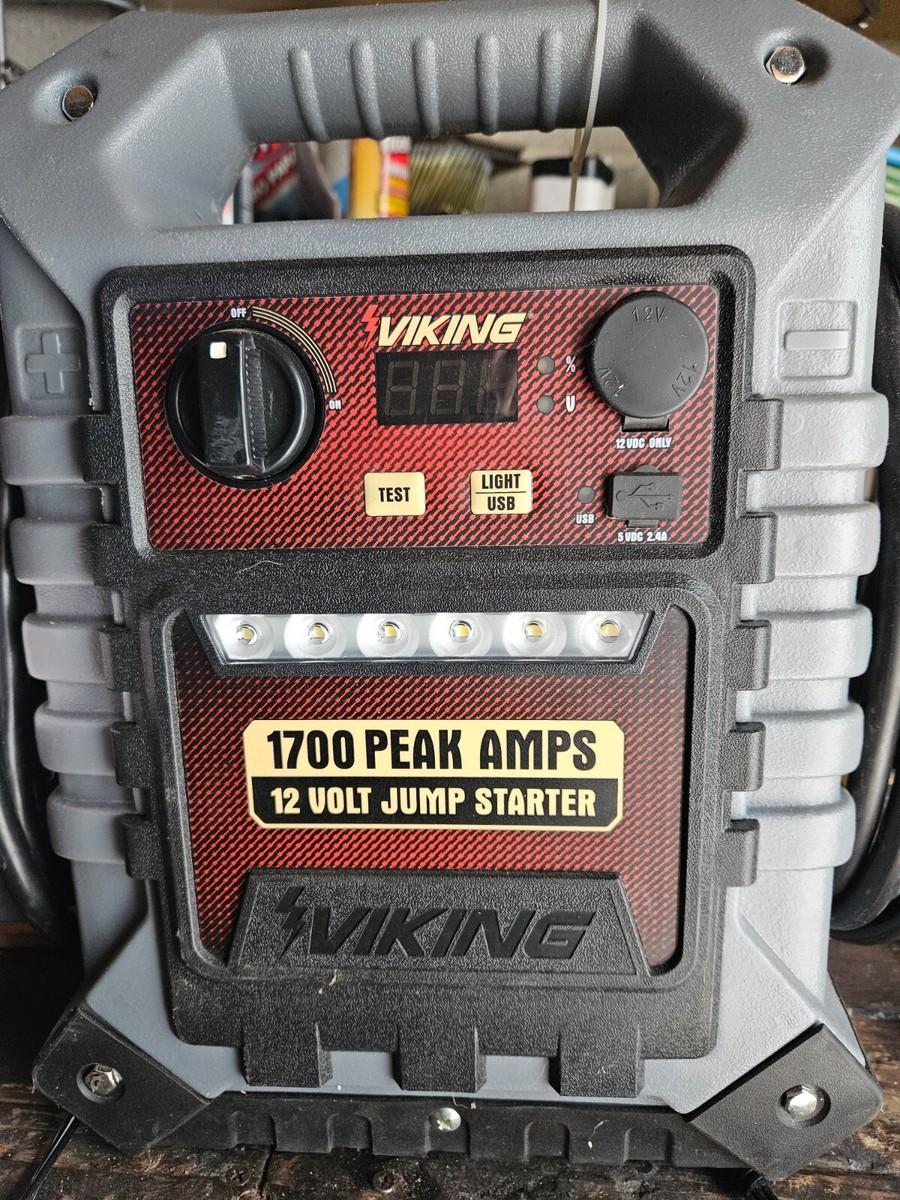
Once connected, your Viking jump starter reports its status through LED lights. Learning to read these patterns tells you exactly where the battery stands at any moment.
What the Light Patterns Mean
Most models follow this general pattern:
• Flashing red or amber light: charging is in progress
• Solid green or all lights lit: the battery is fully charged
• No light at all: no power connection or a completely dead battery
Check your manual for the exact sequence, since light behavior varies slightly between versions.
How Long Does a Viking Jump Starter Take to Charge?
Most units reach a full charge in 3 to 5 hours from empty. Let the cycle finish rather than unplugging early. Overnight charging is acceptable on most models because built-in overcharge protection prevents damage once the battery fills.
Charging Mistakes That Shorten Battery Life
Charging is simple, but a few bad habits can quietly cut your jump starter’s lifespan short. Avoid these three.
Never Use the Unit While Charging
Don’t power devices or attempt a jump start while the unit is plugged in. Running both functions at once generates excess heat and interrupts the charging cycle.
Unplug Once the Battery Is Full
Modern Viking models include protection circuits, but leaving the unit plugged in indefinitely is still poor practice. Pull the charger once the indicator shows a full battery, especially if you’re leaving the house.
Charge at Room Temperature
Always charge in a dry, room-temperature space. Direct sunlight, hot car interiors, and freezing conditions all stress the lithium-ion battery and can cause lasting damage.
Maintain Battery Health Between Uses
A jump starter sitting in your glovebox slowly loses charge even when unused. Regular maintenance charging keeps it ready for the next emergency.
Recharge Every 3 to 6 Months
Lithium-ion batteries degrade when left completely drained. Top up the unit every few months and store it at roughly 50 to 80% charge for the best long-term health.
Pro Tip: Pair this task with daylight savings time changes so you never forget.
Power Down After Charging
Some models stay in standby mode after a charge completes. Switch the unit fully off to stop this phantom drain from quietly emptying the battery.
Troubleshoot a Viking Jump Starter That Won’t Charge
When charging fails, work through these fixes before assuming the worst. Most issues trace back to simple causes.
No Lights When Plugged In
Run through this checklist:
• Verify the outlet works with another device
• Inspect the charging cable for frays, bends, or breaks
• Try a different compatible cable or wall adapter
• Clean the charging port with a dry toothbrush or compressed air
Light Stays Red for Hours
A red light that never turns green often points to a failing battery or charging circuit. Let the unit charge for up to 6 hours. If nothing changes, contact the manufacturer for support.
Expert Note: Stop charging attempts immediately if the unit overheats during the process.
Unit Gets Hot While Charging
Mild warmth is normal; excessive heat is not. Unplug the unit immediately and let it cool in a safe area. Only resume charging once it returns to room temperature. Persistent heat usually signals internal damage.
When to Replace Your Viking Jump Starter
With regular use and proper care, most Viking jump starters last 3 to 5 years. Watch for these warning signs:
• Charging takes noticeably longer than before
• The unit drains quickly after reaching a full charge
• It fails to jump-start a vehicle despite full indicator lights
• The casing swells or you notice a burnt smell
Any of these symptoms means it’s time to stop using the unit and buy a replacement. A failing jump starter won’t rescue you in an emergency.
Safety Tips for Charging Your Jump Starter
Charge on a Hard, Non-Flammable Surface
Set the unit on a table or countertop while it charges. Never leave it on a bed, couch, or carpet, where heat can build against soft materials.
Keep It Away From Children and Pets
These devices pack serious power into a small package. Store the unit out of reach while charging or in use.
Never Open the Casing
Tampering with the battery or internal parts voids your warranty and creates real fire and shock hazards. Leave repairs to professionals.
Frequently Asked Questions About Charging a Viking Jump Starter
How long does it take to charge a Viking jump starter?
Most models reach a full charge in 3 to 5 hours from empty. Charging time can vary slightly by model, so check your manual for specifics.
Can I leave my Viking jump starter charging overnight?
Yes, on most models. Built-in overcharge protection prevents damage. Still, unplugging once fully charged is the best habit for long-term battery health.
Why won’t my Viking jump starter charge?
Check the outlet, inspect the cable for damage, try a different compatible charger, and clean the charging port. If the light stays red for 6 hours or the unit overheats, the battery or circuit may be failing.
Can I use my Viking jump starter while it’s charging?
No. Using the unit during charging can cause overheating and interrupt the charging cycle. Wait until it’s fully charged before powering devices or jumping a car.
How often should I charge my Viking jump starter when stored?
Recharge it every 3 to 6 months. Storing the unit at 50 to 80% charge helps the lithium-ion battery last longer.
How long does a Viking jump starter last?
Most units last 3 to 5 years with regular use and proper care. Replace the unit if it charges slowly, drains fast, or shows physical damage like swelling.
Final Thoughts on Charging Your Viking Jump Starter
Charging a Viking jump starter correctly comes down to a few habits. Use the original or approved charger, plug into a working wall outlet, watch the indicator lights, and unplug once the battery fills. Keep the unit away from extreme temperatures and recharge it every few months during storage.
These small steps protect your battery and help the device reach its full 3 to 5 year lifespan. Take a minute today to check your jump starter’s charge level. The next time your battery dies, you’ll be glad you did.