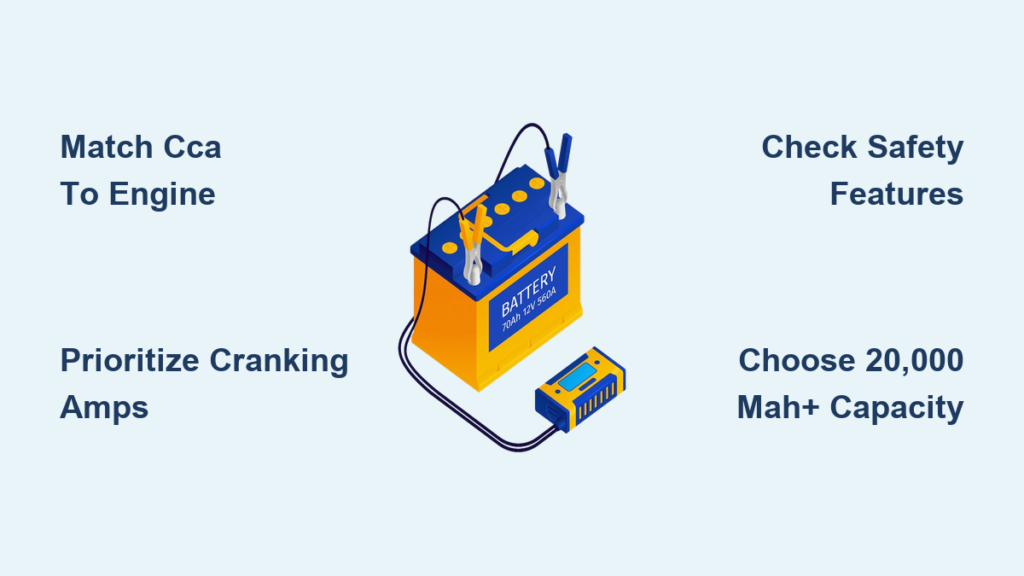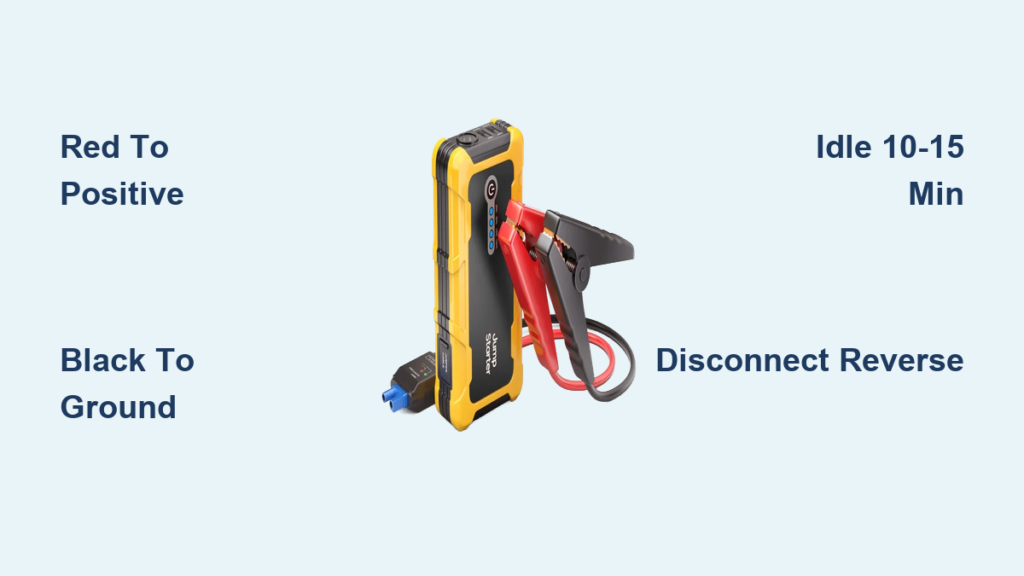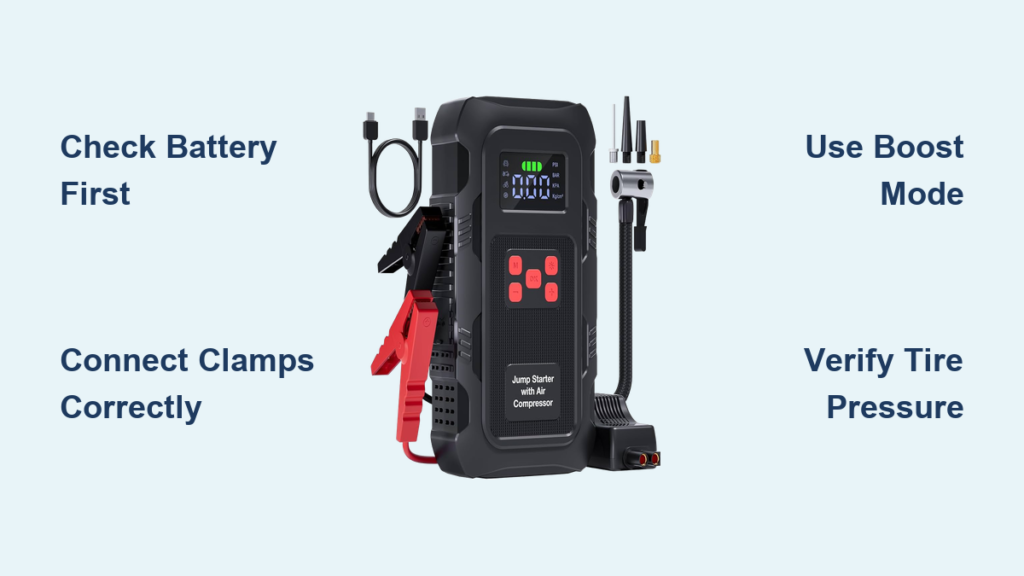
Your car won’t start, and your portable jump starter saves the day. But now you’re wondering if you can just leave it connected to charge the car battery. The answer is no, and doing so could damage both your battery and your device.
This guide explains why a jump starter cannot charge a car battery, what happens if you leave it connected too long, and the safe alternatives that actually restore your battery. You’ll also learn the correct way to use a jump starter and how to prevent future battery failures.
How Jump Starters Deliver Power
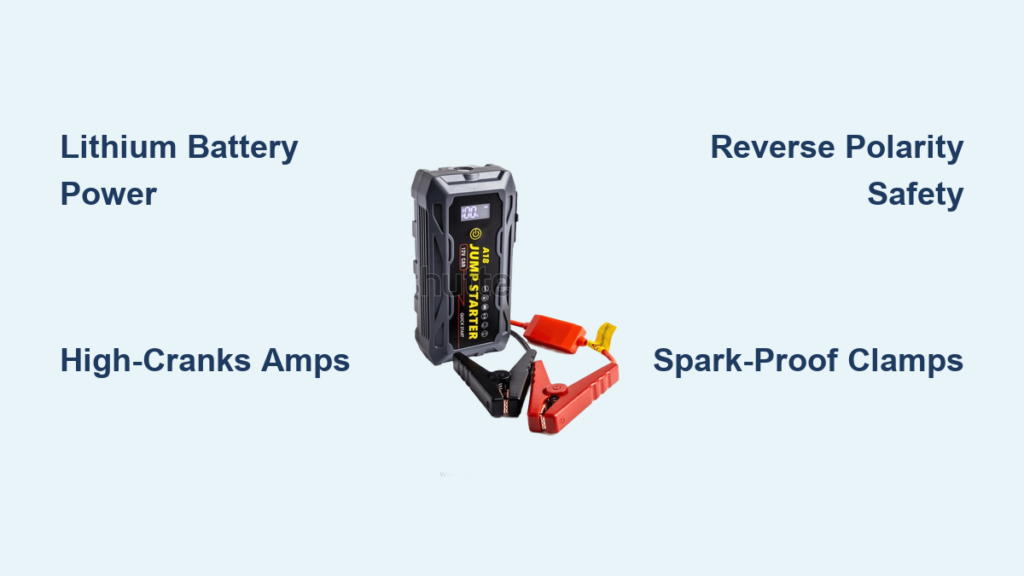
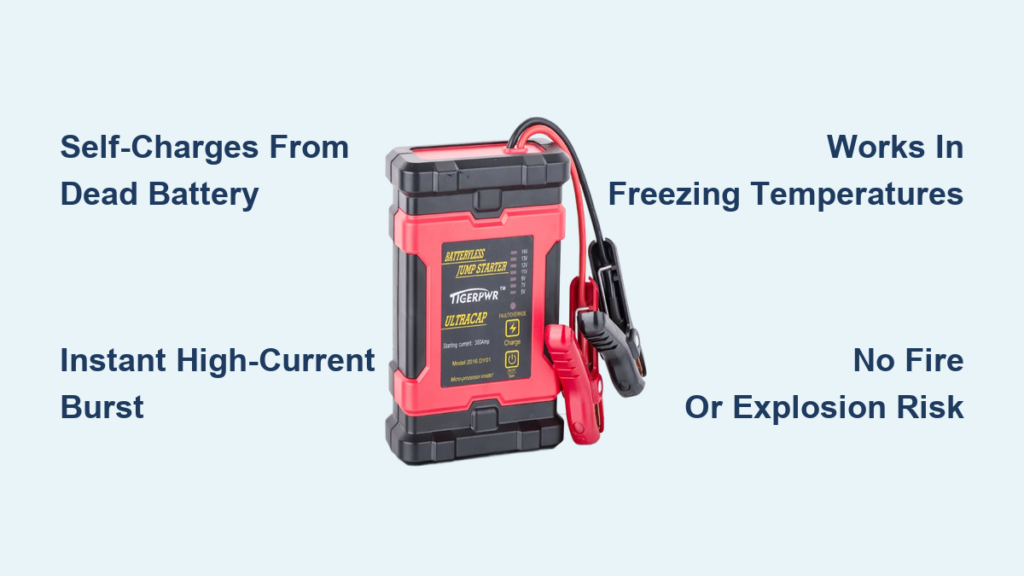
Portable jump starters are compact lithium-ion devices built for one job: delivering a quick burst of power to crank a dead engine. They store energy for emergency use, simulating the jolt of a healthy car battery for a few seconds.
Designed for Starting, Not Charging
These devices send a high-current surge to turn over the engine. Once the car starts, the alternator takes over and powers the electrical systems. Jump starters are engine-starting tools, not charging units.
Why They Lack Charging Capability
Jump starters miss the critical features that make battery charging safe:
• No intelligent charging circuitry to monitor voltage
• No protection against overcharging
• No ability to safely maintain a battery over time
Without these features, leaving the device connected simply will not trickle charge your battery.
What Happens If You Leave a Jump Starter Connected?

Leaving a portable jump starter attached to your car battery for an extended period will not effectively charge the battery, and it creates real risks.
The Battery Receives Almost No Charge
Most jump starters provide only a small, limited current when connected. This output is far too weak to properly charge a car battery over time. Even if indicator lights suggest a connection, your battery stays mostly depleted.
The Jump Starter Drains Itself
The device will drain its own internal battery trying to supply power. Once depleted, it becomes useless for your next emergency. Some models shut off automatically, but others keep drawing power until they are damaged.
Overheating and Electrical Damage
Prolonged connection carries serious risks:
• Overheating of the jump starter or the car battery
• Overcharging that damages the battery
• Potential electrical damage from improper charging
Leaving the device connected too long can harm the car battery, the jump starter, or both.
Why Jump Starters Cannot Replace Battery Chargers

It helps to compare the two devices directly. A dedicated charger and a jump starter look similar but work very differently.
Low Charging Current
A proper battery charger delivers sustained current over hours. A jump starter provides only a small, limited current, which is insufficient to overcome a depleted battery’s needs.
No Smart Charging Features
Dedicated chargers monitor voltage, prevent overcharging, and switch to safe maintenance modes. Jump starters lack all of this intelligence, which is why extended connection leads to overcharging risks.
Safe Alternatives to Charge Your Car Battery
If your battery is weak or dead, follow this proven process instead of relying on your jump starter.
Step 1: Jump-Start the Engine
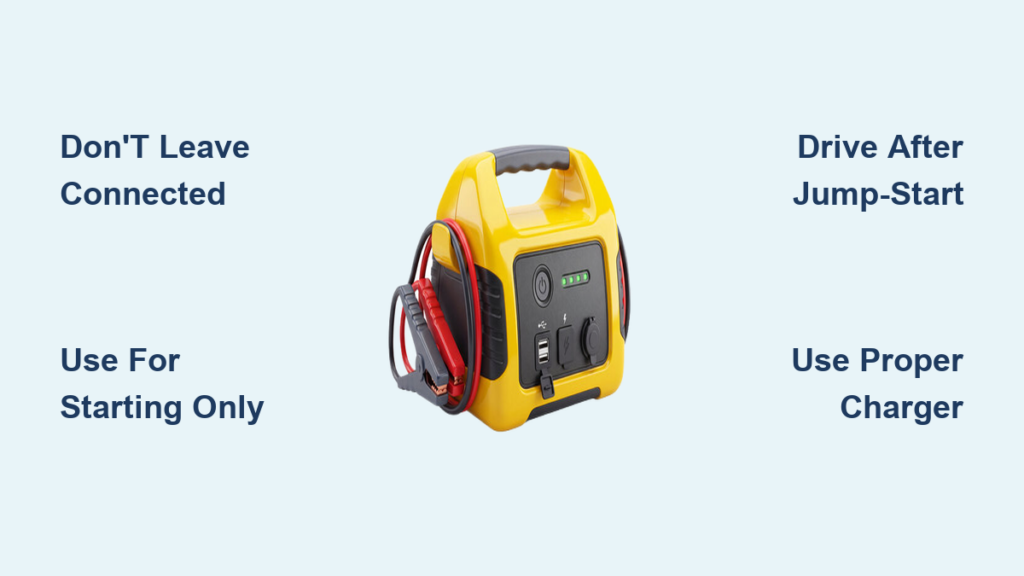
Use the portable jump starter exactly as intended. Connect it, start the car, and disconnect it immediately after the engine runs.
Step 2: Drive for at Least 30 Minutes
Driving allows the alternator to recharge the battery. A short idle will not do the job, so give the car a proper run.
Step 3: Test the Battery If Problems Persist
If your battery frequently dies, have it tested. Repeated failures usually mean the battery needs replacement.
Use a Proper Battery Charger for Full Charging
A dedicated battery charger is the only safe way to fully recharge a car battery outside the vehicle. It provides the sustained, regulated current that a jump starter cannot deliver.
Common Mistakes to Avoid
Misusing a jump starter shortens its life and endangers your vehicle. Watch out for these errors.
Treating It as a Trickle Charger
Some drivers connect the jump starter and walk away, expecting a slow charge. This does not work and risks overcharging and overheating. Only use the device when the engine will not start.
Leaving It Connected “Just in Case”
There is no benefit to a prolonged connection. The best practice is simple: disconnect the jump starter as soon as the car starts.
Ignoring a Failing Battery
Needing frequent jump starts is a warning sign, not a routine inconvenience. Test the battery and replace it if necessary.
Best Practices for Jump Starter Use

Follow these habits to keep both your device and your battery in good shape.
The Correct Procedure
- Connect the jump starter to the battery
- Start the car
- Disconnect the jump starter immediately after the engine runs
- Drive for at least 30 minutes so the alternator can recharge the battery
Recharge and Maintain Your Device
After each use, recharge your jump starter so it is ready for the next emergency. A drained device cannot help you when you need it most.
Know Its Limits
Remember that a jump starter is an emergency starting tool. It should never be used for prolonged charging, no matter how convenient that seems.
Frequently Asked Questions About Charging a Car Battery with a Jump Starter
Can I leave a jump starter connected to slowly charge my battery?
No. Leaving it connected will not effectively charge the battery. The current is too weak, and prolonged connection risks overheating, overcharging, and damage to both devices.
How long should I drive after jump-starting my car?
Drive for at least 30 minutes to allow the alternator to recharge the battery. If the battery keeps dying, have it tested and replaced if necessary.
What happens to the jump starter if I leave it connected too long?
It will drain its own internal battery trying to supply power. It may also overheat or suffer electrical damage, leaving you without an emergency tool later.
Is a jump starter a substitute for a battery charger?
No. A jump starter lacks the smart charging circuitry needed to monitor voltage and prevent overcharging. Use a dedicated battery charger for proper charging.
Why does my battery keep dying if the jump starter works every time?
Frequent dead batteries point to a failing battery or an underlying issue. The jump starter masks the problem temporarily. Get the battery tested.
Key Takeaways on Charging a Car Battery with a Jump Starter
A portable jump starter is a lifesaver when your engine will not crank, but it is not a charger. Its small current output and lack of smart charging features make prolonged connection ineffective and risky.
The correct workflow is straightforward: jump-start the engine, disconnect the device immediately, and drive for at least 30 minutes so the alternator can recharge the battery. For a deeply discharged or repeatedly failing battery, use a proper charger or get the battery tested and replaced.
Your next step: disconnect that jump starter, take your car for a good drive, and if the battery struggles again, schedule a battery test. Keeping the right tool for each job protects your car, your device, and your peace of mind.