Your car won’t start, you’re running late, and there’s no second vehicle around to help. This is exactly when a portable jump starter earns its place in your trunk. But how does a car jump starter work, and why can this small device crank an engine that a dead battery cannot?
In short, it stores electrical energy in a built-in lithium battery and releases it as a powerful, short burst through heavy-duty clamps. This guide breaks down the internal components, the correct jump-starting procedure, built-in safety systems, and how to pick and maintain the right unit for your vehicle.
Core Components That Make It Work
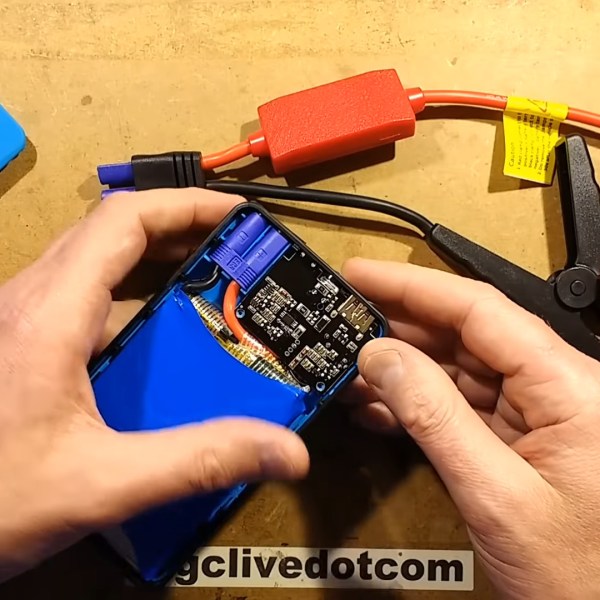
A jump starter looks like a simple box, but several parts must work together to deliver a safe, high-current surge.
The Built-In Lithium-Ion Battery
The energy source is a rechargeable lithium-ion pack, usually rated between 12V and 20V. Most units use 18650 cells or LiFePO4 (lithium iron phosphate) cells because they offer high energy density and good thermal stability. Capacity is measured in milliamp-hours (mAh), typically ranging from 10,000mAh to 30,000mAh. A higher capacity means more cranking power and more start attempts before the unit needs recharging.
High-Current Jump Cables
The clamps and cables carry extreme current for a few seconds, often 400 to 2000 peak amps. That’s far beyond what ordinary jumper cables handle in this compact format. Key features include:
• Thick-gauge wire built for short, intense bursts
• Insulated clamps with reverse polarity protection
• Red for positive (+), black for negative (–)
• LED indicators on many clamps that flag incorrect connections
Power Management Circuitry
This electronic control system regulates voltage and current so the output matches what your vehicle needs. It typically includes:
• Boost converter: raises the battery voltage to supply the required cranking amps
• Voltage regulator: keeps output stable while the engine turns over
• Microcontroller: tracks charge level, temperature, and connection status
Safety and Diagnostic Features
Modern units add several layers of protection:
• Reverse polarity alert: beeps or flashes if the clamps are connected backwards
• Overcurrent protection: cuts power if current flow gets too high
• Overheating shutdown: stops operation if internal temperature climbs
• Short-circuit prevention: blocks output if the clamps touch each other
These safeguards make jump starters safer than traditional cable-and-donor-car methods, especially for beginners.
Step-by-Step: How to Jump Start a Dead Car
Following the right sequence protects you and improves your odds of a successful start.
Step 1: Charge the Jump Starter Fully
Check the LED charge indicators before you need the unit. A full charge usually takes 3 to 6 hours through a USB-C or wall charger. Never attempt a jump with less than 50% charge, particularly in cold weather, because low temperatures reduce battery output.
Step 2: Turn Off All Vehicle Systems
With the hood open, confirm the ignition is off. Switch off headlights, the radio, climate control, and any other accessories. Reducing electrical load gives the engine its best chance to start.
Step 3: Connect the Clamps in the Correct Order
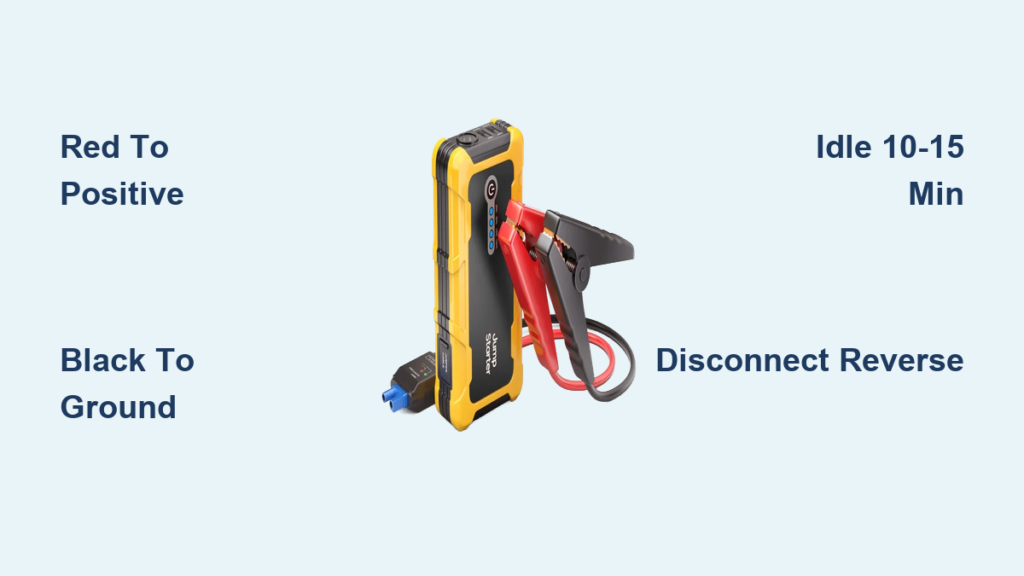
- Attach the red clamp to the positive (+) terminal of the dead battery.
- Attach the black clamp to a solid metal ground point, such as an unpainted bolt on the engine block or chassis. Avoid the negative battery terminal when possible to reduce spark risk near the battery.
Make sure both clamps are secure and not touching each other.
Step 4: Power On the Unit
Press the power button. Some models run an automatic self-check and display the detected voltage. If a warning appears, such as a reverse polarity alert, fix the connections before continuing.
Step 5: Start the Engine
Crank the engine for no more than 3 to 5 seconds. If it doesn’t catch, wait 10 to 15 seconds before trying again. Most units allow 3 to 5 attempts before they need a cooldown or a recharge.
Step 6: Disconnect in Reverse Order
Once the engine runs:
1. Turn off the jump starter.
2. Remove the black clamp first.
3. Remove the red clamp.
4. Let the car run for at least 15 to 20 minutes so the alternator can recharge the battery.
Pro Tip: Keep the unit charged and stored in your trunk, not your garage. A jump starter at home cannot help you on the roadside.
Why It Delivers Instant Power

A jump starter does not recharge your battery. It supplies a temporary surge strong enough to turn the engine over.
Cranking Amps vs. Cold Cranking Amps
Units are rated by peak amps (PA) or cranking amps (CA), the maximum current delivered for 5 to 10 seconds. Cold cranking amps (CCA) measure performance at 0°F (–18°C). A typical gasoline engine needs 400 to 600 CA, while diesel engines may demand 800 to 1000+ CA. The internal battery must deliver this surge without voltage collapse.
Capacitor-Assisted Surge Technology
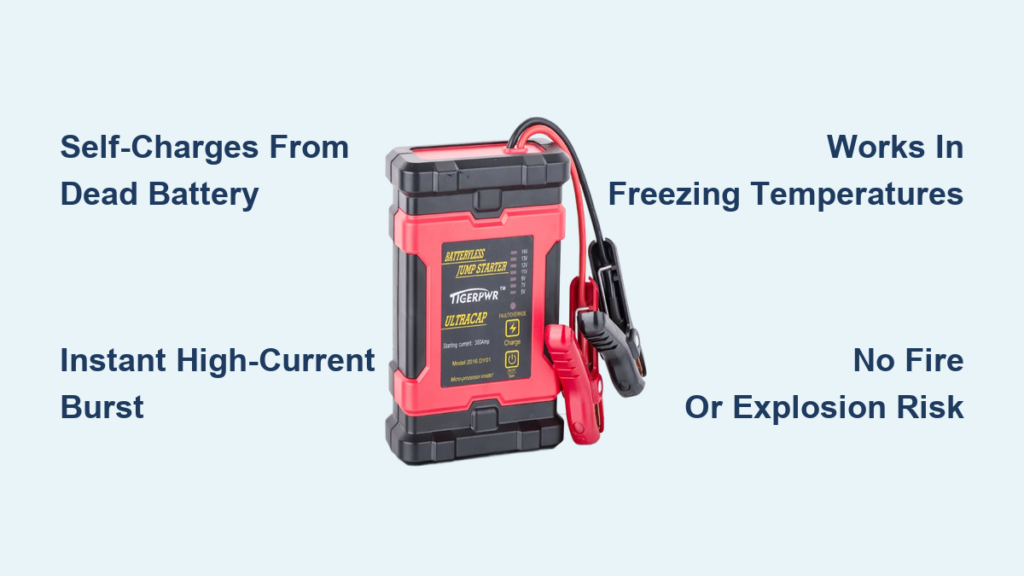
Some advanced models add supercapacitors that store extra energy and release it instantly during cranking. The capacitor charges quickly from the lithium pack and discharges in milliseconds, providing an extra kick that helps overcome resistance in cold engines or weak batteries.
Voltage Matching and Regulation
The unit outputs 12V, the standard for most vehicles, but briefly raises current to push past the battery’s internal resistance. The management system keeps voltage from dropping below 9.6V during cranking, the minimum needed to activate the starter motor and fuel system.
Built-In Safety Mechanisms
These devices handle dangerous levels of current, so protections matter.
Reverse Polarity Protection
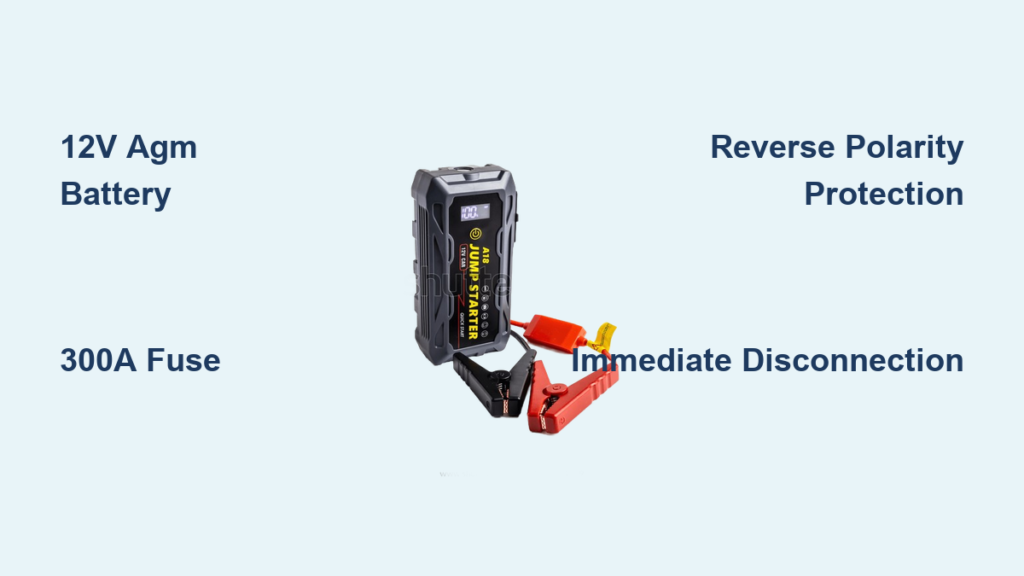
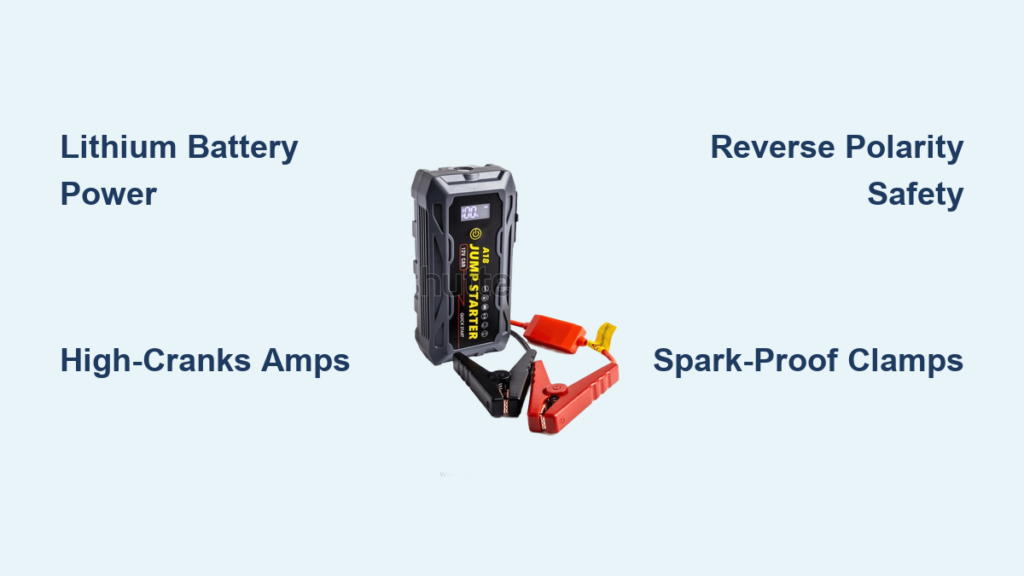
Connect red to negative or black to positive and the unit refuses to deliver power. Instead, an alarm sounds or a light flashes. This prevents short circuits, battery damage, and possible ignition of hydrogen gas around the battery.
Spark-Proof Technology
Smart sensing checks clamp placement before releasing any current. Because no spark occurs during connection, the fire risk around flammable battery gases drops significantly.
Overload and Thermal Shutdown
Excessive current draw or internal overheating triggers an automatic cutoff, protecting both the device and your car’s electrical system. After a shutdown, the unit may need several minutes to cool before you can try again.
Choosing the Right Jump Starter
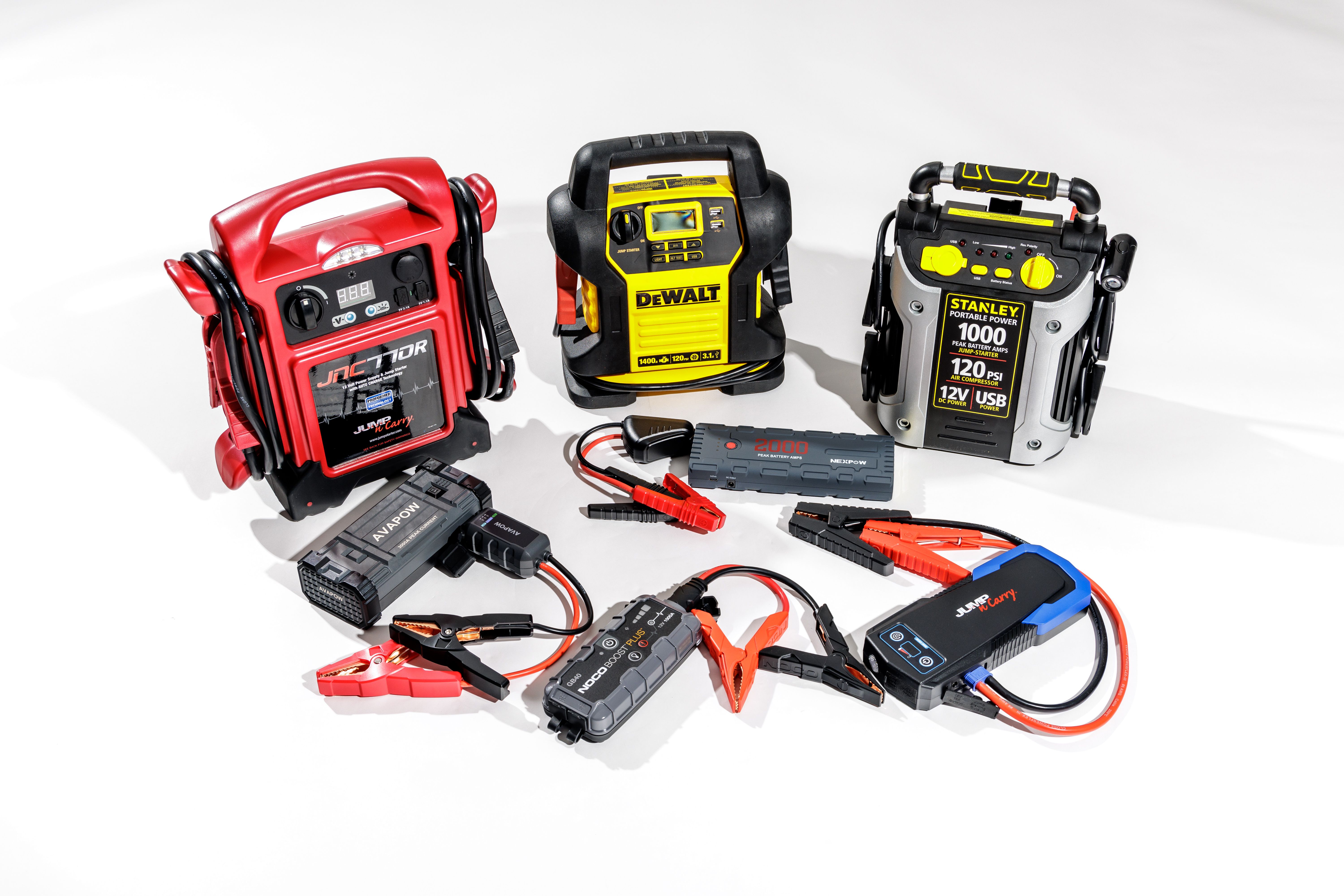
Match the unit to your engine and climate.
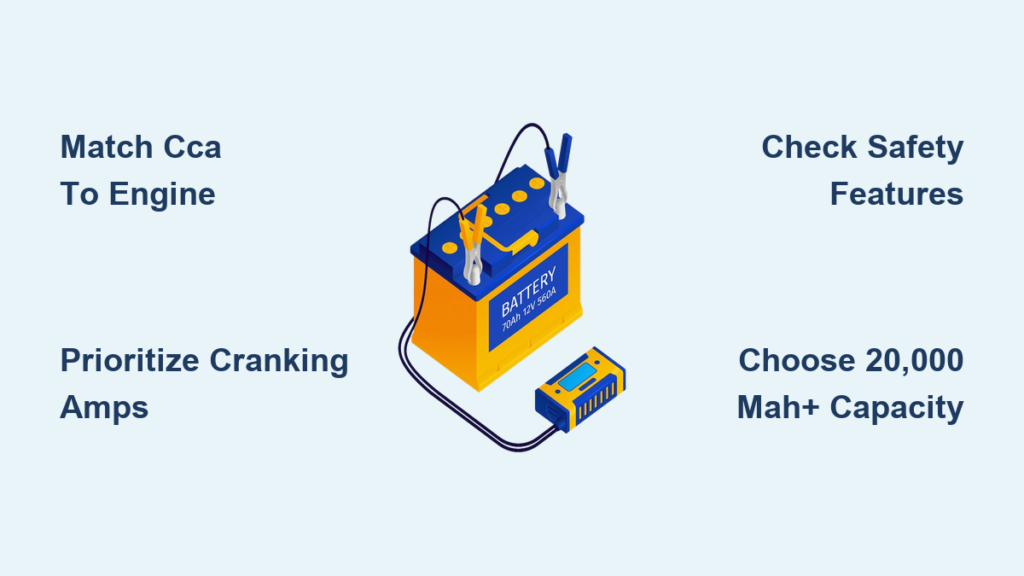
Match the Unit to Engine Size
• Small cars (4-cylinder): 400 to 600 peak amps, 10,000 to 15,000mAh
• Mid-size SUVs and trucks (6-cylinder): 800 to 1000 peak amps, 15,000 to 20,000mAh
• Diesel engines and large trucks: 1500 to 2000 peak amps, LiFePO4 chemistry recommended
Check the CCA rating printed on your battery label and choose a unit that meets or exceeds it.
Lithium-Ion vs. LiFePO4
• Standard Li-ion: lighter and cheaper, but degrades faster in heat and lasts roughly 300 to 500 cycles
• LiFePO4: heavier but far more durable (2000+ cycles), safer in extreme temperatures, better for frequent use
LiFePO4 suits trucks, cold climates, and anyone who jumps vehicles regularly.
Extra Features Worth Considering
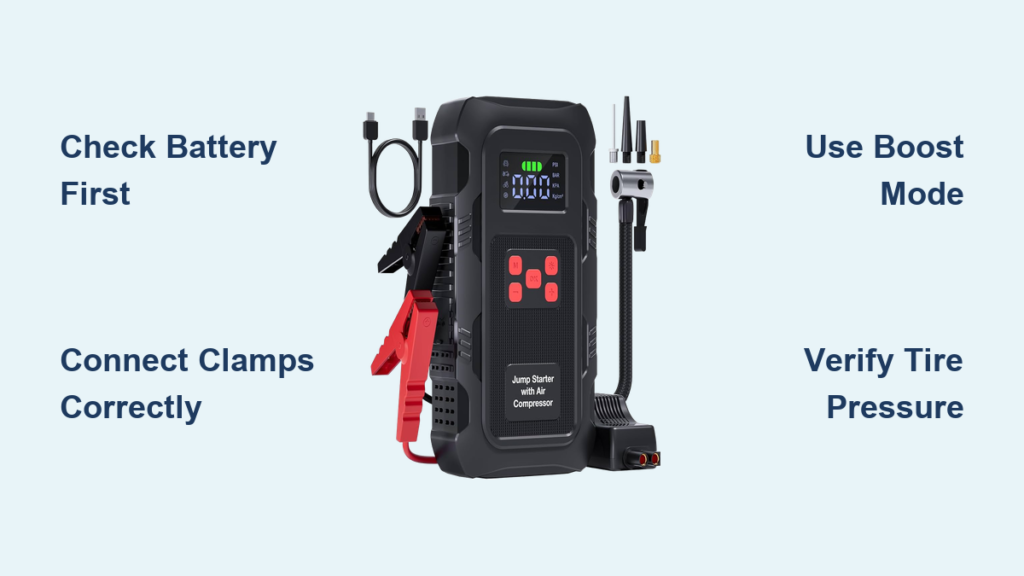
Many units double as emergency gear:
• USB ports for charging phones or tablets
• LED flashlight for nighttime breakdowns
• Air pump for inflating a flat tire
• Digital display showing voltage and charge level
Convenience is nice, but prioritize starting power if reliability is your main goal.
Maintaining Your Jump Starter
Recharge Every 3 to 6 Months
Lithium cells degrade if left fully drained or fully topped off for long stretches. Recharge the unit every 3 to 6 months even if you never use it. The ideal storage charge is 50 to 70%.
Store at Moderate Temperatures
Avoid leaving the device in a hot car or a freezing garage. Temperatures above 120°F (49°C) or below –4°F (–20°C) can damage the battery. Store it indoors in a dry spot.
Test It Before an Emergency
Every few months, run a practice jump:
1. Charge the unit fully.
2. Connect it to a car battery, even a healthy one.
3. Power on and confirm the connections are recognized.
This verifies the clamps, circuitry, and battery all still function.
Troubleshooting When the Engine Still Won’t Start
Weak Internal Battery
If the unit powers on but can’t crank the engine, its battery may be low or worn out. Recharge fully and retry. A big drop in performance over time suggests the internal cells need replacement.
Poor Clamp Contact
Corroded battery terminals block good electrical contact. Clean both the car’s terminals and the clamps with a wire brush, and make sure the clamps bite into clean metal.
Extremely Cold or Damaged Battery
A frozen or deeply discharged battery may not accept a jump at all. If the case is swollen or leaking, replace the battery. In winter, keep the jump starter warm, such as inside your coat, to maximize its output.
Starter Motor or Fuel Problems
If the engine cranks slowly or not at all, the battery may not be the culprit. A failed starter motor, a clogged fuel filter, or an ignition fault can mimic battery failure. If the unit works on another vehicle but not yours, look for a mechanical or electrical issue beyond the battery.
Frequently Asked Questions About How a Car Jump Starter Works
Does a jump starter charge the battery?
No. It delivers a short, high-current burst to start the engine. Driving for at least 15 to 20 minutes afterward lets the alternator recharge the battery.
How many times can I use a jump starter on one charge?
Most fully charged units provide 3 to 5 start attempts before needing a cooldown or recharge, though higher-capacity models may allow more.
Can a jump starter work in cold weather?
Yes, but output drops in low temperatures. Choose a unit rated for cold cranking amps, keep it warm before use, and never attempt a jump with less than a 50% charge in freezing conditions.
What happens if I connect the clamps backwards?
Reverse polarity protection stops the unit from delivering power and triggers an alarm or flashing light, preventing short circuits and battery damage.
What size jump starter do I need?
Small 4-cylinder cars need 400 to 600 peak amps, mid-size SUVs and trucks need 800 to 1000, and diesel engines require 1500 to 2000 peak amps.
Key Takeaways on How a Car Jump Starter Works
A car jump starter works by releasing a high-current burst from an internal lithium battery through heavy-duty clamps, giving your engine the surge it needs to crank and start. Power management circuitry keeps voltage stable, while reverse polarity protection, spark-proof sensing, and thermal shutdown keep the process safe.
Match the unit’s peak amps to your engine size, recharge it every 3 to 6 months, and store it at moderate temperatures. Your next step: check your vehicle’s CCA rating on the battery label and choose a jump starter that meets or exceeds it, then test it this weekend so it’s ready when you need it most.